

When Dice Meet Drama: A Story Begins
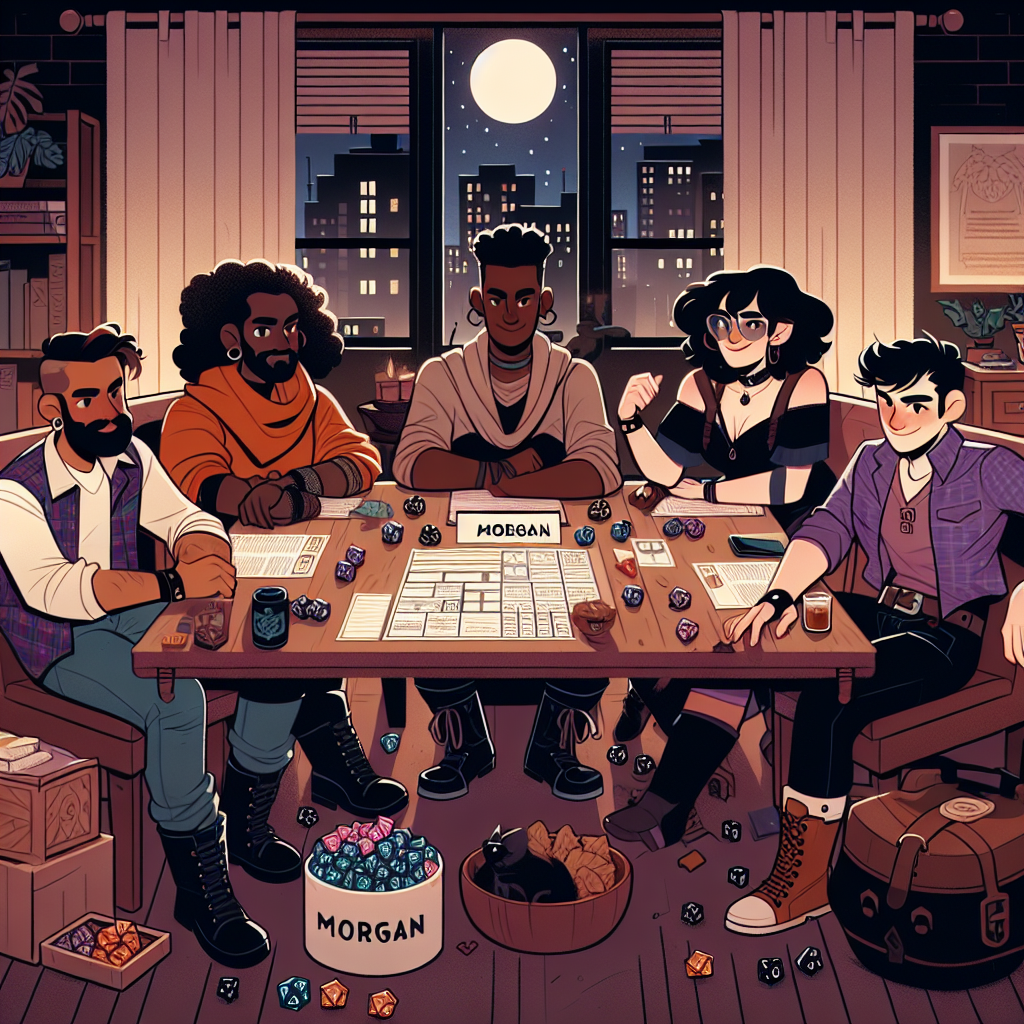
Every Thursday night, in a dimly lit living room in Portland, Oregon, five friends gather around a table cluttered with dice, snacks, and character sheets. At the end of the table sits Morgan, their game master (GM), flipping through a well-worn campaign notebook. There’s no board, no screen—only imagination.
Morgan isn’t just leading a game. She’s weaving a story.
Just like a novelist or a film director, a GM crafts arcs, builds suspense, and sets the emotional tone. And her players? They’re co-authors, improvising dialogue and shaping fates. This is storytelling in its most collaborative form—and it's redefining how we think about narrative.
The Game Master: World-Builder, Director, Storyteller
In tabletop role-playing games (TTRPGs) like Dungeons & Dragons, Call of Cthulhu, or Blades in the Dark, the GM holds a role akin to a screenwriter and director combined. But unlike film or fiction, the story here evolves in real time, shaped by player choice and chance.
Key Techniques for GMs:
- Three-Act Structure: Just like a movie, campaigns benefit from structure. Think setup, confrontation, resolution. Morgan begins with a mystery (Act I), escalates tension with moral dilemmas (Act II), and ends with a climactic showdown (Act III).
- Scene Framing: Good GMs open scenes with vivid, sensory cues. “The fog curls around your boots as torchlight flickers through the alley...”
- Pacing & Beats: Borrowing from screenwriting, GMs can use beats—key emotional moments—to control tempo. A sudden betrayal or quiet confession adds narrative rhythm.
> “I treat each session like an episode of a TV show,” says Tasha Greene, a veteran GM of 12 years. “I plan for a hook, a twist, and an emotional payoff.”
Character Arcs: Building Heroes (and Villains) That Stick
While GMs shape the world, players bring it to life. A compelling character arc gives players a personal stake in the story—beyond loot and levels.
Tips for Players:
- Flaws and Goals: Characters need motivation. A rogue who wants to clear their family name is more interesting than one who just wants gold.
- Backstory Breadcrumbs: Weaving elements of your backstory into gameplay gives the GM material to build on. Maybe that shady merchant is your long-lost cousin?
- Dynamic Growth: Let your character evolve. A cold-hearted mercenary who learns compassion? That’s narrative gold.
> “I always start with a personal question,” explains player and streamer Ben Rios. “What does my character need to learn? That’s the heart of their arc.”
Plot Twists and Emotional Punches: Keeping Players Hooked
TTRPGs thrive on surprise. But a good twist isn’t just shocking—it’s meaningful.
Crafting Impactful Twists:
- Foreshadowing: Layer subtle clues early on. When the twist lands, players should gasp and then say, “Wait... that makes so much sense!”
- Betrayal and Revelation: Nothing stings like realizing the beloved NPC was the villain all along—or that your party member has a dark secret.
- Consequences: Twists should change the game. A failed heist that topples a kingdom? Now that’s a story turn.
Equally important are emotional beats—moments that resonate long after the game ends. A player sacrificing themselves for the team. A heartfelt reunion. These moments elevate TTRPGs from pastime to performance art.
Inspiration From the Greats: Storytelling in Popular RPGs
- **Critical Role (Dungeons & Dragons): Dungeon master Matthew Mercer uses cinematic pacing and rich NPCs to create deeply emotional campaigns that feel like prestige TV.
- The Adventure Zone (D&D): The McElroy brothers blend humor with heartfelt storytelling, showing how character growth can emerge organically from chaos.
- Blades in the Dark: This RPG is built around narrative mechanics—flashbacks, stress, and downtime—that encourage storytelling over stats.
> “The best campaigns feel like a novel you’re writing together,” says indie game designer Ava Patel. “Players cry, cheer, and remember those stories for years.”
Bringing It All Together: Crafting Your Narrative Table
Whether you're a seasoned GM or a first-time player, incorporating literary and cinematic storytelling techniques can elevate your campaign from a string of encounters to an unforgettable journey.
Start small: Introduce a moral dilemma next session. Flesh out your character’s motivations. End a session on a cliffhanger.
Roll the dice. Write the story.
Further Reading & Resources
- The Angry GM – Narrative Structure in RPGs: A detailed blog series on using three-act structure and story arcs in tabletop games.
- Matt Colville’s YouTube Channel: Advice from a veteran GM on pacing, worldbuilding, and running engaging sessions.
- Writing Excuses Podcast: While not RPG-specific, this writing podcast offers excellent insights into character and plot development.
- Blades in the Dark SRD: Learn how this system encourages narrative-driven play with innovative mechanics.
- Critical Role Campaign Archives: Dive into session summaries and character arcs from one of the most popular RPG shows.